What are anti-chafing shorts?
Say goodbye to thigh burns; anti-chafing shorts are your new style savior. Read on for our guide.
What Is Chafing?
Chafing is a skin irritation caused by continuous rubbing against the skin. Certain areas of the body are more prone to chafing with the inner thigh, underarms and feet typically the most susceptible. It’s most common during the warmer months as it’s intensified by moisture, sweat, heat and repetitive movements, such as running and walking.
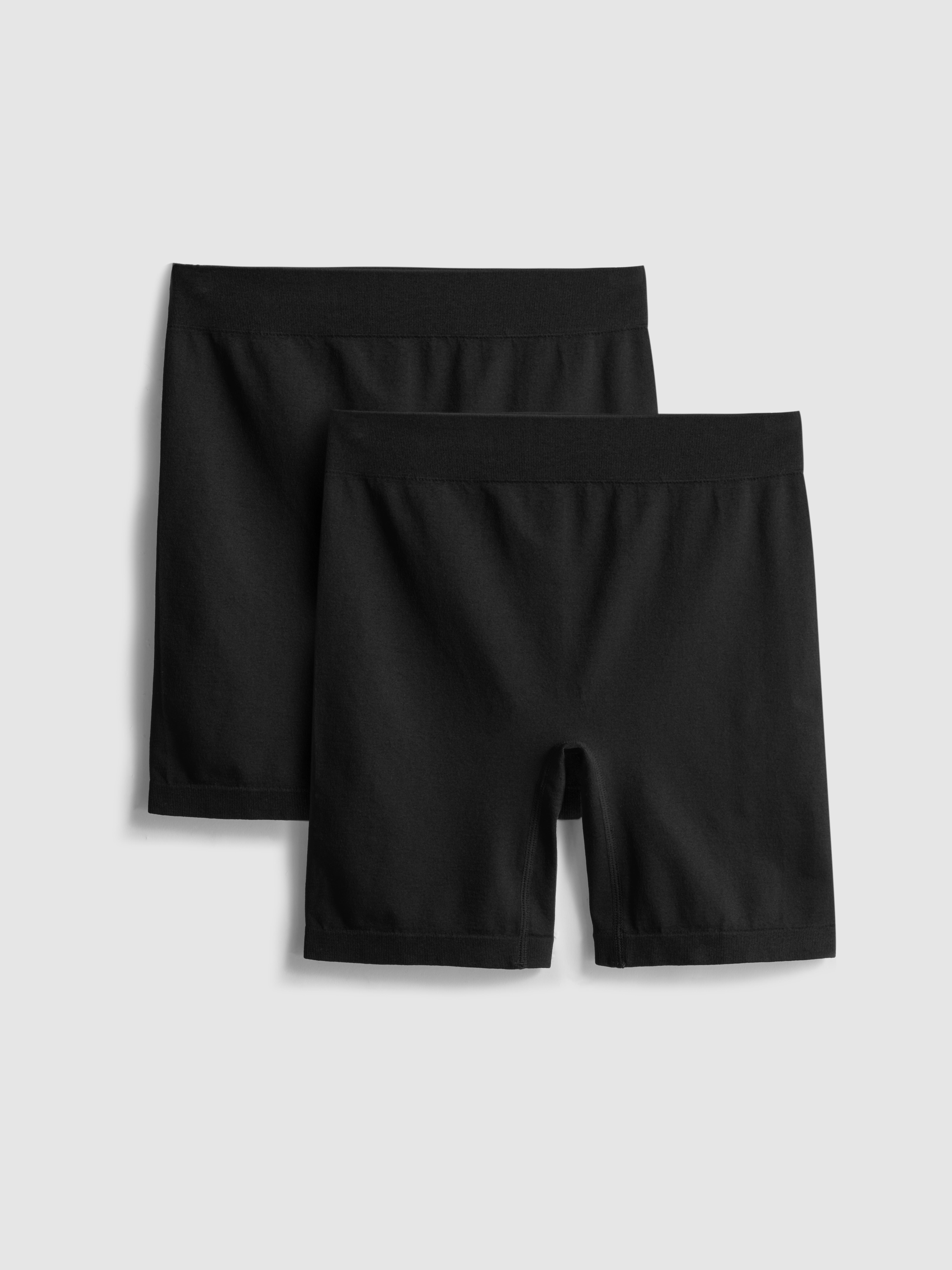
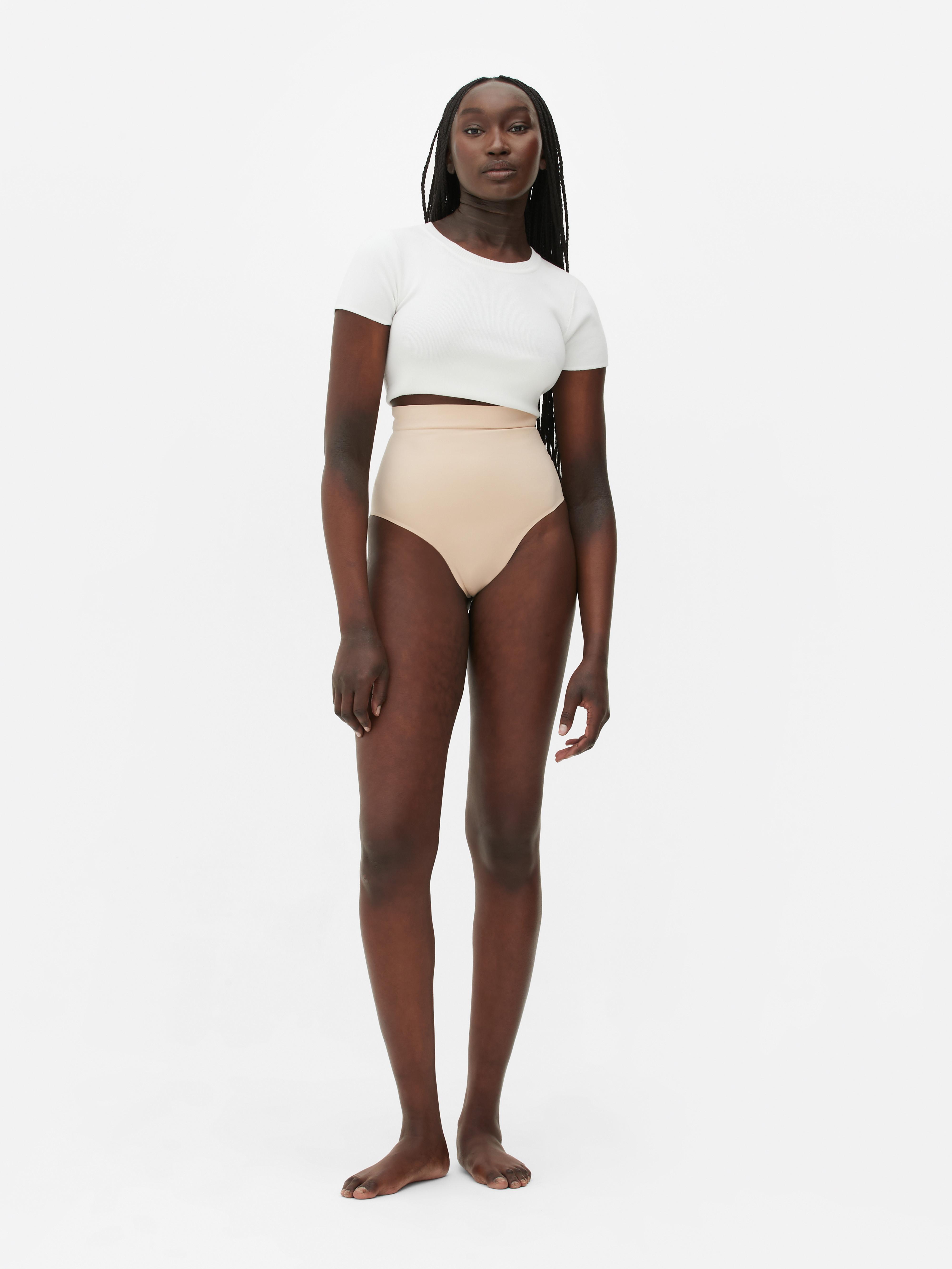
What Are Anti-Chafing Shorts?
Anti-chafing shorts are lightweight, breathable, close-fitting garments worn under dresses, skirts or shorts. Their main purpose is to prevent skin-on-skin contact between the inner thighs. By acting as a barrier, they reduce friction that causes redness, soreness, and irritation.
Key features:
A seamless construction to minimize irritation.
Designed with a moisture-wicking fabric to keep you dry.
Made with stretchy materials that move with your body.
Soft hems or bands that stay in place without digging in.
Who should wear anti-chafing shorts?
Our anti-chafing shorts are designed to be worn by people of all shapes and sizes. They offer comfort, coverage and confidence.
Why Do People Love Anti-Chafing Shorts?
They stay hidden under clothes.
They’re cooler than leggings or shapewear.
They reduce painful friction.
Anti-Chafing Shorts to Wear Under Dresses
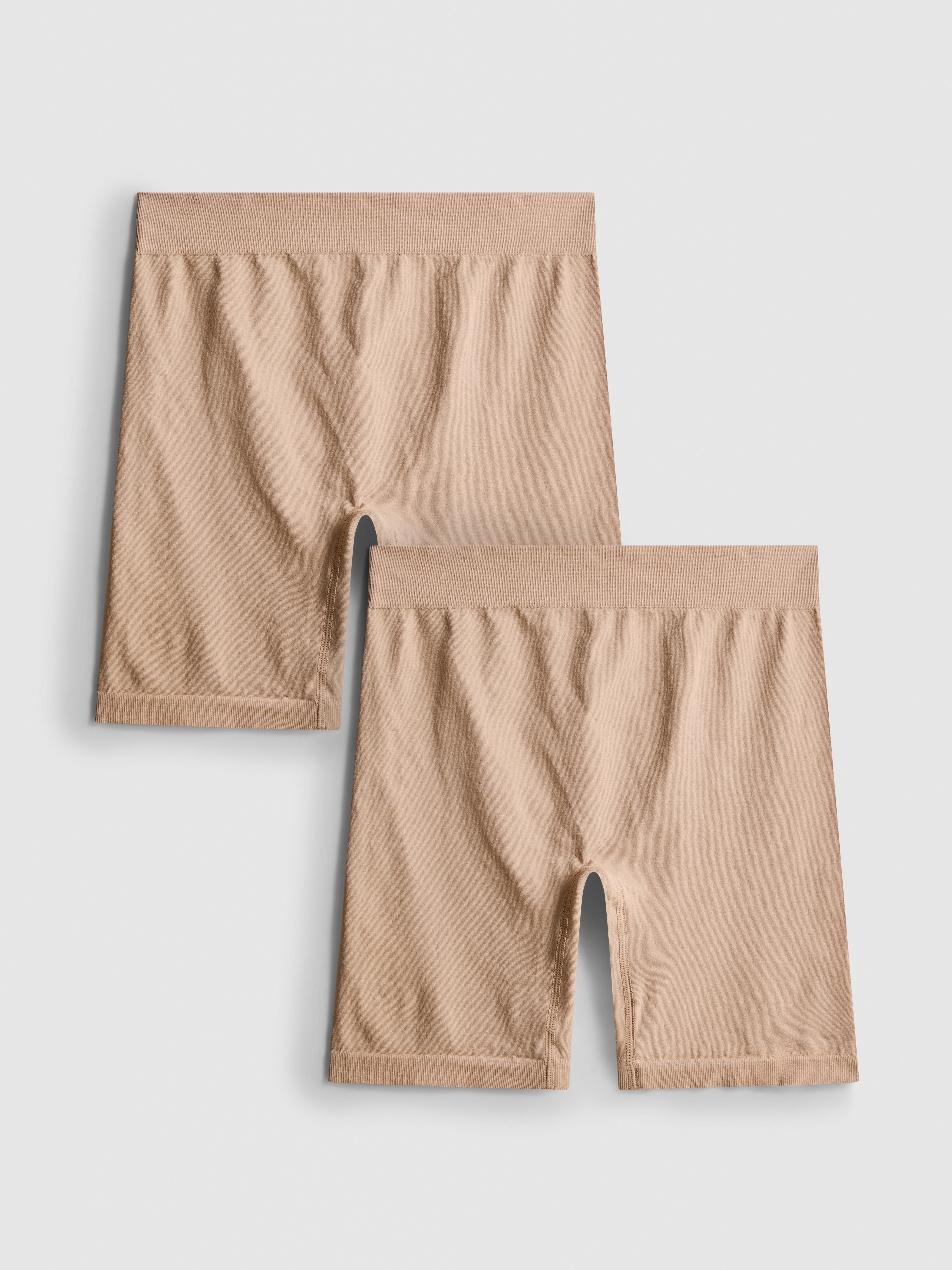
Anti-chafe shorts are usually worn underneath dresses. They act as a soft, invisible safety net by eliminating friction, protecting modesty (especially on windy days) and improving your confidence. A must-have for anyone who wants to wear dresses more comfortably during spring and summer.
Look for:
Lightweight, skin-colored tones to avoid visibility.
Seamless designs that help minimize panty lines.
Soft hems that won’t show through fitted fabrics.
How long should anti-chafing shorts be?
Choosing the right length for your anti-chafing shorts is key. Too short and they ride up. Too long and they may peek from underneath your clothes.
For a mini dress, we recommend a 3- to 5-inch inseam.
For a midi dress, we recommend a 5- to 7-inch inseam.
For a maxi dress, we recommend a 7-inch inseam or longer.
It’s important to try a few styles to see what works best with your wardrobe.
Choosing the best anti-chafing shorts by season
Different seasons call for different fabrics. Below is what works best:
Spring/Summer:
Microfiber or bamboo.
Moisture-wicking and breathable.
Fall/Winter:
Thick cotton or modal blends.
Still breathable but offers warmth.
Even in colder weather, layering anti-chafing shorts under tights can prevent irritation from seams or rubbing.
What Else Can I Do to Stop Chafing?
Wear Seamless Clothing
It’s often assumed that chafing only occurs from skin-on-skin contact, but that’s not the case as some fabrics can also contribute to the issue. With itchy seams increasing the chances of chafing, it’s worth making the switch to seamless clothing where possible. Not to mention seamless sets will be a stylish staple in your gym clothes collection.
Try Moisture-Wicking Fabrics
Choosing the right fabrics can also make a big difference. If you’re someone who is prone to chafing, it’s recommended you opt for breathable, moisture-wicking fabrics to help keep your body dry. You can choose from synthetic fabrics, like nylon and polyester, or opt for natural fibers, such as wool and bamboo, which can also help absorb moisture without weighing you down.
Anti-Chafing Balm
If you can’t imagine your summer wardrobe without your favorite cycling shorts, an anti-chafing balm can help you stay comfortable by reducing friction between your skin and clothing. Usually as a stick or roll-on, just apply it directly to the skin to help create an anti-friction barrier. Bonus: it's small, so just chuck it in your bag for top-ups throughout the day.
What Is Better for Chafing, Shorts, Powder or Cream?
While creams and powders are temporary solutions, wearing anti-chafing shorts is a long-term, reusable fix. Here's a comparison:
Anti-chafing shorts
Pros: reliable, reusable and discreet under clothes.
Cons: requires washing after each use.
Powders
Pros: easy to apply and affordable.
Cons: can wear off quickly.
Creams/gels
Pros: instant, cooling relief.
Cons: can feel greasy or messy.
Wearing anti-chafing shorts is often the most effective way to stay comfortable, especially during long days out.
To recap:
If you’re tired of inner thigh chafing and want a stress-free solution, investing in a good pair of anti-chafing shorts will make a noticeable difference. They are a simple but powerful garment designed to make everyday outfits more comfortable. By forming a protective barrier between the thighs, they eliminate irritation, boost confidence, and let you wear dresses, skirts and shorts with ease.
They’re breathable, lightweight and seamless.
Helps prevent painful skin irritation without messy creams or powders.
Great underneath dresses, skirts or even loose pants.
Available in various lengths, fabrics, and sizes to meet your needs.
Especially helpful for those with larger thighs or active lifestyles.
FAQs:
Are anti-chafing shorts worth it?
- Anti-chafing shorts are definitely worth it! Designed to create a protective barrier between your thighs, they help minimize chafing and can be worn under skirts and dresses during summers or as an extra layer during colder months.
Do you wear underwear with anti-chafing shorts?
- Whether you wear panties under anti-chafing shorts is a personal preference. As the shorts can act as an undergarment themselves, many people choose to wear them solo for a seamless feel.
What is the best material for anti-chafing shorts?
- The best anti-chafing shorts are made from lightweight, breathable, and moisture-wicking fabrics like nylon or cotton blends. Look for soft-stretch materials with flat seams or seamless designs to reduce irritation and allow smooth movement.
Do 2-in-1 shorts stop chafing?
- Yes, 2-in-1 shorts combine a fitted inner layer (like bike shorts) with a looser outer layer. The inner compression layer helps reduce thigh friction, making them a popular choice for runners or gym-goers. Just ensure the inner fabric is smooth, snug, and moisture-wicking for best results.
How to stop chafing between thighs when wearing shorts
To stop thigh chafing when wearing regular shorts:
Wear anti-chafing shorts or underwear underneath.
Apply a chafing balm or anti-friction cream to areas prone to irritation.
Choose shorts with longer inseams or soft-stretch, fitted styles that prevent skin-on-skin contact.
Avoid rough fabrics or thick inner seams.
What’s the difference between shapewear and anti-chafing shorts?
- Anti-chafing shorts are designed for comfort and to help reduce irritation, typically made with soft, breathable fabrics and light compression. Shapewear for women offers firm control and sculpting and is often designed with tighter panels to smooth the waist, hips or thighs. While some shapewear may help with chafing, it’s not as breathable as anti-chafing shorts.
Are boxers or briefs better for preventing chafing?
- Fitted boxer briefs are better than loose boxers to prevent chafing. The key is choosing a style that provides coverage between the thighs and stays in place without bunching. Look for seamless, stretch fabrics that wick moisture and reduce friction.
Does Putting Deodorant Between Your Thighs Help With Chafing?
- Yes, you can use deodorant to help with chafing. The best part about it is that you probably already have it in your home, which makes it a convenient solution for most. However, it’s believed that stick deodorants will be more effective than aerosols and roll-ons when tackling chafing due to their ingredients.